SCHEDULE A FREE EXAMINATION!
+387 51 230 700
 WORK TIME
Monday - Friday
-
08:00 - 20:00
Saturday
-
09:00 - 13:00
Sunday
-
Day off
Address
-
Vidovdanska 2, Banja Luka
CONTACT
Mob:
+387 65 233 88 (VIBER)
Tel:
+387 51 230 700
Tel:
+387 51 230 701
E-mail:
ordinacija@simicdent.com


MENI
- Home
- Services
- ESTHETIC DENTISTRY
- DENTAL PROSTHETICS
- PERIODONTIC
- ORAL SURGERY
- CONSERVATIVE DENTISTRY AND ENDODONTICS
- PEDIATRIC AND PREVENTIVE DENTISTRY
- ORTHODONTICS
- HYALURONIC TREATMENT
- LASER THERAPY
- OZONE THERAPY
- DIGITAL DENTAL X-RAY (RTG)
- Straumann implant placement. A quick and painless routine procedure with an experienced oral surgeon - implantologist - Banja Luka
- Subperiosteal implants
- News
- Team
- Dental tourism
- Contact
-
 English


 English
Frenulektomija – šta je, kada se radi i kako izgleda oporavak
1. What is a frenulum?
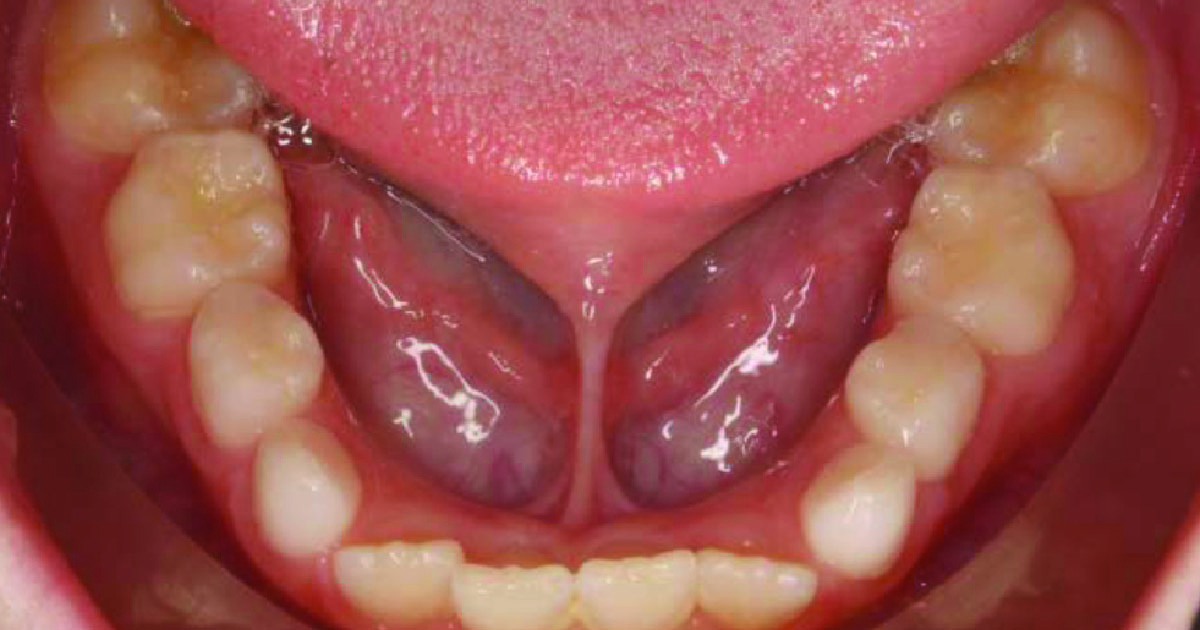
A frenulum is a small fold or band of tissue made of connective tissue and mucosa. There is a tongue frenulum and an upper and lower lip frenulum.
It’s a normal anatomical structure, but when it is too short, too tight, or attached too low, it can cause various difficulties: from speech and eating issues, oral hygiene problems, to aesthetic concerns and improper tooth development.
When the frenulum starts causing problems, the solution is a simple procedure called a frenulectomy.
2. When is a frenulectomy recommended?
A frenulectomy is recommended in the following situations:
Tongue-tie (short lingual frenulum)
- the child or adult cannot lift the tongue high enough
- difficulty pronouncing certain sounds
- chewing and swallowing may be affected
- in infants: problems with latching and breastfeeding
- the lip is difficult to lift
- strong pressure is created on the gums
- brushing the teeth becomes harder
- a gap between the front teeth (diastema) may appear
If the frenulum is too tight and pulls on the gums, it can lead to tissue recession, sensitivity, and recurrent inflammation.
Problems during orthodontic treatment
A thick or tight frenulum can interfere with tooth movement during orthodontic therapy or reopen gaps even after braces.
3. What does a frenulectomy look like?
A frenulectomy is a quick, painless, and very safe procedure performed in a dental office.
Step by step:
- Local anesthesia – the tissue is completely numbed.
- Removal or reshaping of the frenulum – performed with a scalpel or laser, depending on the case.
- Closing the area – tiny stitches may be placed, but in most cases they are not needed.
- Going home immediately – the patient functions normally after the procedure.
4. Does it hurt?
Most patients say the procedure is almost completely painless, thanks to local anesthesia.
Mild discomfort may appear for 1–2 days afterward, but nothing that interferes with normal daily activities.
5. What is the recovery like after a frenulectomy?
Recovery is simple and short:
- soft diet on the first day
- avoid very hot food and drinks
- gentle oral hygiene, without irritating the area
- painkillers if needed
- stitches (if any) are removed after 5–7 days
Adults also return to normal activities within just a few days.
6. Benefits of a frenulectomy
For children:
- clearer speech
- proper swallowing
- easier breastfeeding/feeding in infants
- proper tooth development and reduced risk of diastema
- improved tongue mobility
- easier oral hygiene
- reduced gum tension
- better orthodontic outcomes
- more balanced smile aesthetics
Frequently Asked Questions
1. Can a frenulum “stretch” on its own as the child grows?
Sometimes yes, but if it’s already causing problems – usually not. The procedure is a quicker and safer solution.
2. Can the frenulum grow back?
With proper surgical technique and postoperative care – very rarely.
3. Is the procedure safe for babies?
Yes. A simplified version of the procedure is done for infants and provides immediate improvement in breastfeeding.
4. Does the procedure affect speech?
If the frenulum was the cause of speech difficulties, improvement is almost always noticeable.
5. Can a diastema close with frenulectomy alone?
If the gap is small – sometimes yes.
If larger – combining it with orthodontic treatment gives the best results.
Conclusion
A frenulectomy is a small, simple, and highly beneficial procedure that solves far more problems than people realize – from feeding and speech, to hygiene, aesthetics, and proper tooth development.
If you notice that you or your child have difficulties with speech, eating, brushing, or if a gap between the teeth is forming, a dental examination is the best first step.
04. Decembar. 2025
Podijeli na društvenim mrežama: Facebook