SCHEDULE A FREE EXAMINATION!
+387 51 230 700
 WORK TIME
Monday - Friday
-
08:00 - 20:00
Saturday
-
09:00 - 13:00
Sunday
-
Day off
Address
-
Vidovdanska 2, Banja Luka
CONTACT
Mob:
+387 65 233 88 (VIBER)
Tel:
+387 51 230 700
Tel:
+387 51 230 701
E-mail:
ordinacija@simicdent.com


MENI
- Home
- Services
- ESTHETIC DENTISTRY
- DENTAL PROSTHETICS
- PERIODONTIC
- ORAL SURGERY
- CONSERVATIVE DENTISTRY AND ENDODONTICS
- PEDIATRIC AND PREVENTIVE DENTISTRY
- ORTHODONTICS
- HYALURONIC TREATMENT
- LASER THERAPY
- OZONE THERAPY
- DIGITAL DENTAL X-RAY (RTG)
- Straumann implant placement. A quick and painless routine procedure with an experienced oral surgeon - implantologist - Banja Luka
- Subperiosteal implants
- News
- Team
- Dental tourism
- Contact
-
 English


 English
What is a dental cystectomy and when is it necessary?
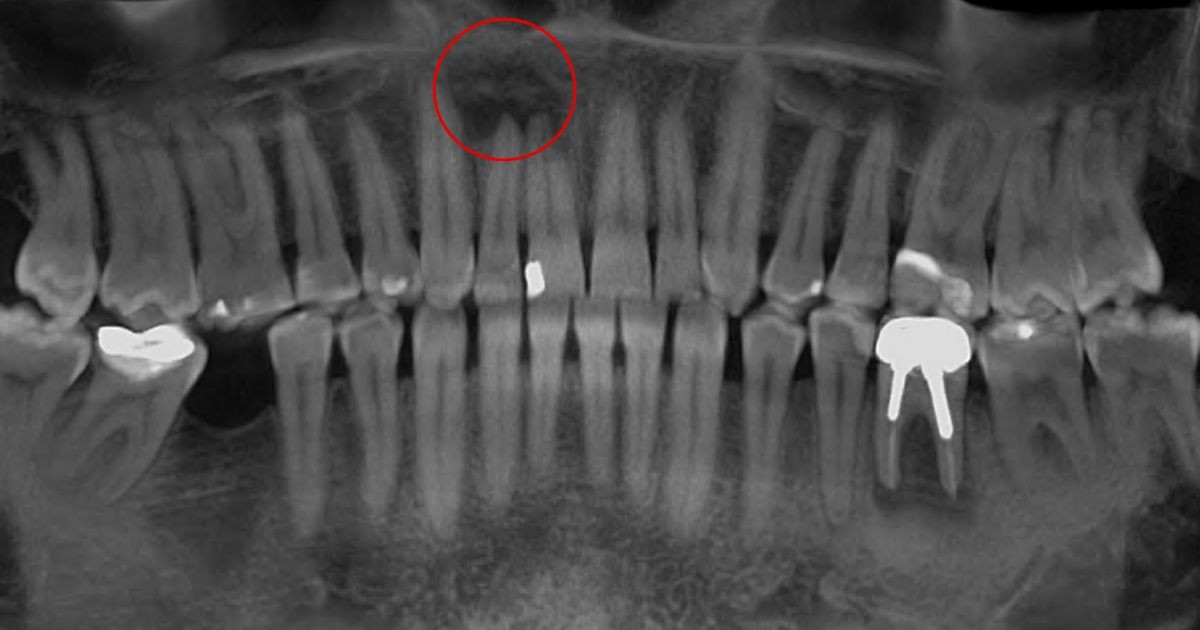
In modern dentistry, one of the most important procedures in the field of oral surgery is a cystectomy – the surgical removal of a cyst that has developed in the jaw, most often near the tip of a tooth root. Although a cyst often causes no symptoms in its early stages, if left untreated, it can lead to serious complications and damage the surrounding bone and dental tissue.
In this text, we will explain what a dental cystectomy is, why cysts develop, when surgery is necessary, and what the procedure and recovery look like.
What is a dental cystectomy?
A cystectomy is an oral surgical procedure that involves the complete removal of a cyst from the jawbone together with its membrane, most often in the area around the tooth root. Cysts are cavities filled with fluid or semi-solid material, which may develop as a result of chronic infection of the tooth root, untreated granulomas, traumatic injury, or an impacted (unerupted) tooth.
Unlike a granuloma, a cyst has a membrane and a tendency to grow, making it a more serious threat to oral health.
Why does a cyst form on a tooth?
The most common causes of cyst formation are:
-
Untreated tooth decay and infection – bacteria penetrate to the tip of the tooth root, causing inflammation that can develop into a granuloma and then into a cyst.
-
Tooth trauma – an impact or fracture can trigger necrosis (death) of the tooth nerve and cyst formation.
-
Impacted teeth, most often wisdom teeth – a cyst may form around the crown of an unerupted tooth.
-
Residual dental tissue after tooth extraction – if not completely removed, it can lead to the formation of a so-called residual cyst.
When is a cystectomy necessary?
Surgical removal of a dental cyst is recommended:
-
If a cyst is diagnosed via panoramic X-ray (orthopantomogram) or CBCT scan;
-
When the cyst does not respond to endodontic (root canal) treatment;
-
If the cyst is large and threatens the structure of the bone and surrounding teeth;
-
When the cyst is growing and risks causing jaw deformity or even a jaw fracture;
-
If there is a risk of the infection spreading to other parts of the body.
It is important to emphasize that cysts do not resolve spontaneously and cannot be cured with antibiotics – the only solution is surgical intervention.
What does the cyst removal surgery involve?
The procedure is performed under local anesthesia and is completely painless. During the intervention, the surgeon makes an incision in the gum tissue above the cyst and removes it entirely together with its membrane, and if necessary, part of the affected tooth root (apicoectomy).
If needed, additional curettage may be performed, along with the placement of bone grafts or resorbable membranes to speed up bone recovery. Finally, the wound is sutured, and stitches are removed after 7–10 days.
Is a cystectomy painful?
Since the procedure is done under local anesthesia, the patient feels no pain during surgery. After the intervention, there may be mild discomfort, swelling, or pain, which can be effectively managed with painkillers prescribed by the dentist – most often ibuprofen. Most patients return to their daily activities within 2–3 days.
How long is the recovery after cyst removal?
The recovery period depends on the size of the cyst and the complexity of the procedure. Typically, the wound heals within 7–14 days, while full bone regeneration can take several months. During this period, it is important to:
-
Maintain proper oral hygiene;
-
Avoid physical exertion;
-
Avoid hot drinks and smoking;
-
Attend regular check-ups.
What happens if a cyst is not removed?
An untreated cyst in the jaw can continue to grow and cause:
-
Damage to surrounding teeth;
-
Jaw deformity;
-
Bone loss;
-
Development of fistulas (channels connecting the cyst to the oral cavity);
-
In some cases, even jaw fractures or the spread of infection to surrounding tissues and organs.
This is why timely X-ray diagnostics and consultation with an oral surgery specialist are essential.
Conclusion
Cystectomy is a safe and effective way to remove a dental cyst and prevent serious complications. If you have pain, swelling, a fistula, or a cyst has been detected on your X-ray – do not delay the procedure. The earlier the surgery is performed, the lower the risk of complications and the faster the recovery.
For more information, consultation, or to schedule an appointment with an oral surgeon, feel free to contact us – your health begins with your smile.
11. Avgust. 2025
Podijeli na društvenim mrežama: Facebook