SCHEDULE A FREE EXAMINATION!
+387 51 230 700
 WORK TIME
Monday - Friday
-
08:00 - 20:00
Saturday
-
09:00 - 13:00
Sunday
-
Day off
Address
-
Vidovdanska 2, Banja Luka
CONTACT
Mob:
+387 65 233 88 (VIBER)
Tel:
+387 51 230 700
Tel:
+387 51 230 701
E-mail:
ordinacija@simicdent.com


MENI
- Home
- Services
- ESTHETIC DENTISTRY
- DENTAL PROSTHETICS
- PERIODONTIC
- ORAL SURGERY
- CONSERVATIVE DENTISTRY AND ENDODONTICS
- PEDIATRIC AND PREVENTIVE DENTISTRY
- ORTHODONTICS
- HYALURONIC TREATMENT
- LASER THERAPY
- OZONE THERAPY
- DIGITAL DENTAL X-RAY (RTG)
- Straumann implant placement. A quick and painless routine procedure with an experienced oral surgeon - implantologist - Banja Luka
- Subperiosteal implants
- News
- Team
- Dental tourism
- Contact
-
 English


 English
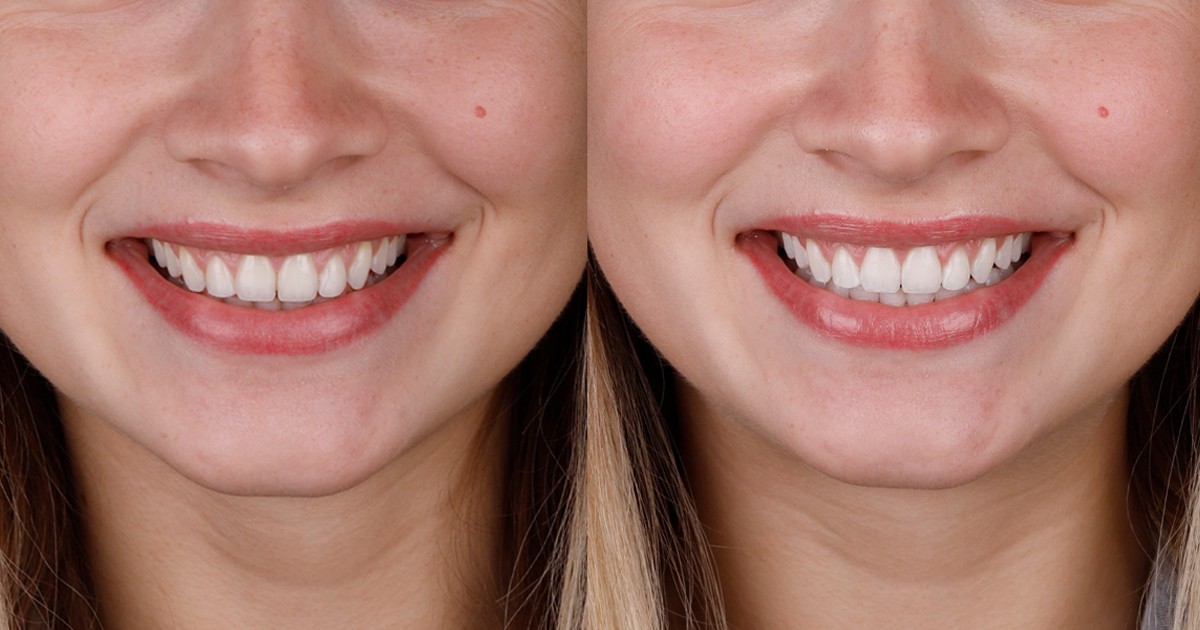
Teeth whitening – safe treatments for a smile up to 5 shades whiter
Professional teeth whitening is one of the most requested cosmetic dental treatments – and for a good reason. In just one hour, teeth can become up to 5 shades lighter, creating a brighter, fresher, and healthier smile. But before you decide on this procedure, it’s important to understand the difference between in-office whitening with a lamp and at-home whitening with trays and gels, as well as the entire process – from consultation to final results.
What types of teeth whitening are there?
The two most effective and commonly used methods are:
-
In-office whitening with a lamp, using a gel activated by UV light.
-
At-home whitening using custom-made trays and gel.
Both methods are safe and deliver excellent results but differ in speed and application.
In-Office Whitening with a Lamp – How Does the Procedure Work?
The lamp whitening procedure takes about 1 hour and 30 minutes and is performed exclusively in the dental office under professional supervision.
The process includes:
-
Examination and preparation
The dentist evaluates the condition of the teeth, gums, enamel, fillings, or crowns. Professional cleaning and polishing are performed. -
Consultation and contraindication check
Not recommended for pregnant or breastfeeding women, and people with melanoma, diabetes, or heart conditions. -
Protection and gel application
A 32% hydrogen peroxide gel is applied and activated with a UV lamp. Protective pads, glasses, gingival barrier, and retractors are used. The gel acts for 15 minutes, and the process is repeated 3–4 times, depending on sensitivity. -
Possible sensitivity
Patients may feel sharp, fleeting pains (intensity 0–5), but this is temporary and individual. -
Post-treatment care
For 7–10 days after whitening, avoid:-
Dark beverages (tea, coffee, wine)
-
Staining foods
-
Mouth rinses with chlorhexidine
Use a whitening toothpaste and apply lip balm regularly.
-
-
Before and after photos
Documentation of shade change and results is done.
At-Home Whitening – How Does It Work?
In this method, the patient uses special trays at home, made in a dental lab from an impression or digital scan of their teeth. The gel used contains 16% carbamide peroxide.
The process includes:
-
Examination and impressions
Same as with lamp whitening – initial assessment of teeth and shade. -
Tray fabrication
The impression or scan is sent to the lab to create personalized trays. -
Home use
Trays are worn for 5 hours a day for 7 days. Before use, brush your teeth, carefully apply the gel, and clean and dry the trays afterward. -
Monitoring and check-up
The dentist monitors progress, and a final control and photo documentation are done.
As with lamp whitening, avoid dark foods and drinks during treatment and for 7–10 days afterward.
Frequently Asked Questions (FAQ)
Is teeth whitening permanent?
No – results last from several months up to 2 years, depending on diet and oral hygiene. Maintenance whitening can help prolong the effect.
Does whitening hurt?
Some patients experience temporary sensitivity or sharp pains, especially with lamp whitening. This usually lasts no more than 48 hours and is harmless.
How many shades lighter can teeth get?
Professional whitening typically achieves 2 to 5 shades lighter, depending on natural color, tooth structure, and habits.
Can all teeth be whitened?
No – fillings, crowns, and bridges cannot be whitened, so a treatment plan is needed if you have prosthetics.
Can smokers whiten their teeth?
Yes, but due to smoking habits, discoloration returns faster. Whitening is not generally recommended for smokers.
Can pregnant or breastfeeding women whiten their teeth?
No, it’s not recommended due to potential sensitivity and reactions to chemicals.
Which is better – lamp whitening or at-home whitening?
It depends on your goals:
-
For quick results – lamp whitening is recommended.
-
For gradual, discreet whitening – at-home trays are ideal.
How much does whitening cost?
At-home whitening kits cost 250 KM, while professional in-office whitening costs 600 KM.
10. Jul. 2025
Podijeli na društvenim mrežama: Facebook