SCHEDULE A FREE EXAMINATION!
+387 51 230 700
 WORK TIME
Monday - Friday
-
08:00 - 20:00
Saturday
-
09:00 - 13:00
Sunday
-
Day off
Address
-
Vidovdanska 2, Banja Luka
CONTACT
Mob:
+387 65 233 88 (VIBER)
Tel:
+387 51 230 700
Tel:
+387 51 230 701
E-mail:
ordinacija@simicdent.com


MENI
- Home
- Services
- ESTHETIC DENTISTRY
- DENTAL PROSTHETICS
- PERIODONTIC
- ORAL SURGERY
- CONSERVATIVE DENTISTRY AND ENDODONTICS
- PEDIATRIC AND PREVENTIVE DENTISTRY
- ORTHODONTICS
- HYALURONIC TREATMENT
- LASER THERAPY
- OZONE THERAPY
- DIGITAL DENTAL X-RAY (RTG)
- Straumann implant placement. A quick and painless routine procedure with an experienced oral surgeon - implantologist - Banja Luka
- Subperiosteal implants
- News
- Team
- Dental tourism
- Contact
-
 English


 English
Gum recession and periodontitis: How to detect the problem and save your teeth in time?
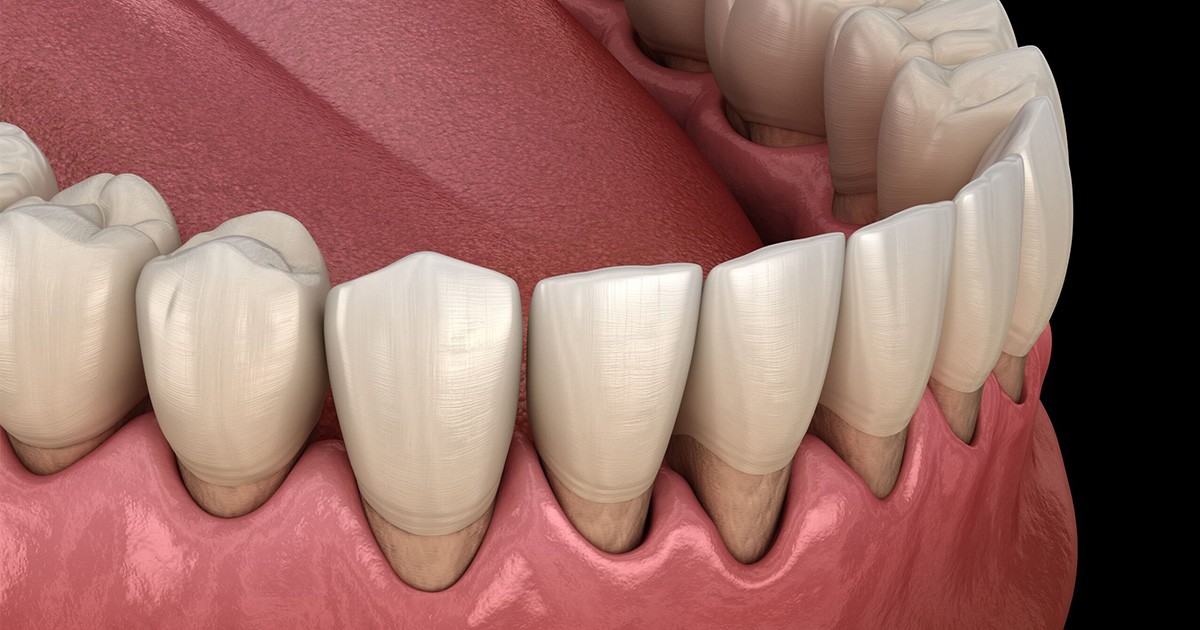
Gum recession, also known as gingival recession, is not just a cosmetic issue. It is often the first sign of a more serious gum disease – periodontitis (also called periodontal disease), which, if left untreated, can lead to tooth loss. When your teeth start to look “longer,” and the necks of the teeth become visible or sensitive – it’s not just a passing phase. It’s a serious indication that the supporting tissues around the teeth are damaged.
In this guide, you’ll learn:
-
how to recognize gum recession,
-
what causes it,
-
what treatment looks like, and whether your teeth can be saved – even in advanced stages.
1. What Is Gum Recession and What Does It Look Like?
Gum recession is a condition where the edge of the gum (gingiva) pulls away, exposing the tooth root. It happens gradually, often without pain, which makes it insidious. In early stages, patients may notice:
-
“longer” teeth,
-
sensitivity to cold or sweet foods,
-
thinner or lighter-colored gums,
-
occasional bleeding when brushing.
If left untreated, the gums continue to recede, the bone beneath starts to resorb, and the tooth begins to lose support and loosen.
2. Causes of Gum Recession
1. Periodontal Disease – The Primary Cause
Periodontitis is a chronic inflammatory disease of the supporting structures of the teeth – gums, bone, and ligaments. Bacteria in dental plaque penetrate deeper tissues, triggering inflammation that destroys the bone and supporting structures.
2. Aggressive Brushing
Brushing too hard or using a hard-bristled toothbrush can damage the gums, especially with improper technique (e.g., scrubbing horizontally instead of gentle vertical strokes).
3. High Frenulum and Mucosal Folds
Due to developmental anomalies, the attachment of mucosal folds can be too close to the gum line. During chewing, brushing, or facial movements, these attachments pull on the gums, causing recession.
4. Poor Oral Hygiene
Inadequate brushing leads to plaque and tartar buildup, creating a breeding ground for bacteria that inflame and damage the gums over time.
5. Smoking
Nicotine and other chemicals reduce blood flow to the gums, weaken tissue defenses, and accelerate deterioration.
6. Faulty Dental Work
Overhanging fillings or poorly contoured crowns can irritate the gums, triggering inflammation and recession.
7. Hormonal Changes and Genetics
Pregnancy, menopause, and puberty can affect gum sensitivity. Some individuals are genetically predisposed to thinner gum tissue, making recession more likely, especially when combined with bone defects.
8. Malocclusion and Bruxism (Teeth Grinding)
Excess pressure on specific teeth can lead to localized recession. Clenching or grinding teeth worsens the condition. When combined with plaque, it can quickly lead to vertical bone loss and tooth mobility.
3. Symptoms You Shouldn’t Ignore
-
Teeth appear “longer” than before
-
Sensitivity to hot or cold
-
Visible tooth necks or roots
-
Bleeding while brushing
-
Loose teeth
-
Persistent bad breath
-
Teeth shifting position, creating gaps (diastemas)
4. Can Receding Gums Grow Back?
Once the gums recede, they do not regenerate naturally. However, with proper treatment, the condition can be stabilized – and in some cases, reconstructed. This falls under the field of periodontology.
5. How Is Gum Recession Treated?
1. Non-Surgical MethodsProfessional Dental Cleaning
(Ultrasonic scaling, air polishing, and tooth polishing)
Removes tartar and bacteria above and below the gumline. This is the first step in treating mild recession.
Periodontal Pocket Curettage
This procedure removes soft and hard deposits from periodontal pockets using special curettes. The root surfaces are cleaned and smoothed to allow the gums to reattach. Performed under local anesthesia, it is completely painless.
Medication Therapy
Includes chlorhexidine-based rinses and gels for antibacterial effects, and antibiotics in cases of severe inflammation.
Oral Hygiene Instruction
Dentists will guide you on proper use of soft toothbrushes, floss, interdental brushes, and toothpaste for sensitive teeth – as proper hygiene is key to gum health.
Gum Grafting (TVT, SMAT)
Tissue is taken from the palate and grafted over the exposed root.
Flap Surgery
After conservative therapy, a flap surgery may be performed. The gums are carefully lifted, tartar is removed from underneath, and the tissue is repositioned.
Regenerative Procedures
Involves using biomaterials or growth factors to stimulate regeneration of lost bone and tissue.
6. Can Loose Teeth Be Saved?
If the tooth is still stable and the root intact – it can often be saved with proper therapy. Sometimes, splinting (immobilizing the tooth by attaching it to adjacent teeth) is done to support healing.
However, if bone loss is extensive – extraction may be necessary, followed by implant replacement.
7. How Long Does Treatment Take and When Will I See Results?
-
Non-surgical treatment: Results typically in 2–4 weeks
-
Surgical treatment: Recovery in 1–3 months
Healing is faster in younger patients and those who quit smoking and maintain excellent hygiene.
8. How Much Does Gum Recession Treatment Cost?
It depends on the stage of disease and the type of therapy required.
-
Professional cleaning:
-
Curettage of periodontal pockets:
-
Surgical procedures (graft, flap surgery):
-
Maintenance and follow-up visits: at least twice a year, ideally more often.
In complex cases, a full periodontal treatment plan with multiple phases and a personalized approach may be needed.
9. When Should You See a Dentist?
The answer is: as soon as you notice changes – redness, gum recession, sensitivity, or bleeding. The earlier you act, the better your chances of saving your teeth.
CONCLUSION
Gum Recession Can Be Stopped – But Only if You Act Early
Gum recession and periodontal disease often don’t hurt at first – and that’s what makes them so dangerous. If you wait until a tooth becomes loose, it’s often too late. The good news is that with timely treatment, the condition can be stabilized and aesthetics and function restored.
✅ Don’t ignore the first signs
✅ Visit your dentist regularly
✅ Invest in prevention – it’s cheaper and less invasive than treatment
FREQUENTLY ASKED QUESTIONS (FAQ)
Does gum recession always mean periodontitis?
Not always, but it’s often an early or advanced sign of periodontitis. Other causes like brushing trauma or malocclusion are also possible, but every case should be evaluated by a dentist.
Can receded gums grow back on their own?
No. Receded gums do not regenerate naturally. But with proper treatment, further recession can be stopped, and in some cases, surgical reconstruction is possible.
Is the treatment painful?
Most procedures are painless or performed under local anesthesia. Post-treatment discomfort is usually mild and manageable with pain relievers.
Can implants be a solution if I lose a tooth due to periodontitis?
Yes, but only after the gum condition is stabilized and inflammation eliminated. Implants should not be placed in infected tissue.
How often should I have check-ups after treatment?
Follow-up is recommended every 3 to 6 months, depending on case severity. Prevention and regular monitoring are key to long-term success.
07. Jul. 2025
Podijeli na društvenim mrežama: Facebook